Hey there! As a supplier of diamond grinding discs, I’ve been getting a lot of questions lately about the impact resistance of these bad boys. So, I thought I’d take a few minutes to break it down for you and explain just what it means and why it matters. Diamond Grinding Disc
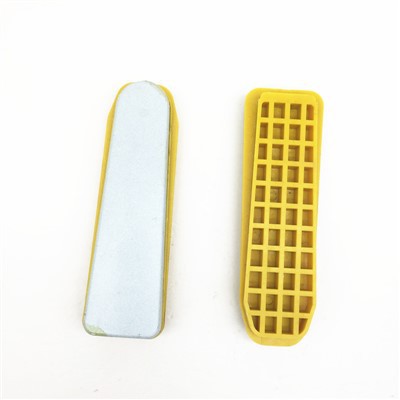
First off, let’s talk about what impact resistance actually is. In simple terms, impact resistance refers to the ability of a material to withstand sudden, forceful blows or shocks without breaking, chipping, or cracking. When it comes to diamond grinding discs, this is a crucial factor because they’re often used in high-stress applications where they’re subjected to a lot of impact and vibration.
For example, if you’re using a diamond grinding disc to cut through concrete or other hard materials, chances are you’re going to encounter some bumps and jolts along the way. If the disc doesn’t have good impact resistance, it could crack or break under the pressure, which not only ruins the disc but can also be dangerous for the operator.
So, how do diamond grinding discs achieve good impact resistance? Well, it all comes down to the quality of the materials and the manufacturing process. At our company, we use only the highest-quality diamonds and other materials in our grinding discs. The diamonds are carefully selected for their strength and durability, and they’re bonded to the disc using a special process that ensures a strong, secure connection.
In addition to using high-quality materials, we also pay close attention to the design and construction of our grinding discs. We use advanced engineering techniques to optimize the shape and structure of the disc, which helps to distribute the impact forces evenly and reduce the risk of cracking or breaking.
Another important factor in impact resistance is the type of bond used in the grinding disc. There are several different types of bonds available, each with its own unique properties and characteristics. The most common types of bonds used in diamond grinding discs are resin bonds, metal bonds, and vitrified bonds.
Resin bonds are the most flexible and forgiving of the three types of bonds. They’re able to absorb a lot of impact and vibration without breaking, which makes them a good choice for applications where the disc is likely to encounter a lot of bumps and jolts. However, resin bonds are also the least durable of the three types of bonds, and they tend to wear out more quickly than metal or vitrified bonds.
Metal bonds are the strongest and most durable of the three types of bonds. They’re able to withstand a lot of pressure and impact without breaking, which makes them a good choice for applications where the disc is likely to encounter a lot of stress and abuse. However, metal bonds are also the most rigid and inflexible of the three types of bonds, and they tend to be more prone to cracking and chipping than resin or vitrified bonds.
Vitrified bonds are a relatively new type of bond that combines the best properties of resin and metal bonds. They’re able to absorb a lot of impact and vibration without breaking, like resin bonds, but they’re also very durable and long-lasting, like metal bonds. Vitrified bonds are becoming increasingly popular in the diamond grinding disc industry because they offer a good balance between strength, durability, and flexibility.
So, now that you know what impact resistance is and how diamond grinding discs achieve it, let’s talk about why it matters. As I mentioned earlier, impact resistance is a crucial factor in the performance and safety of diamond grinding discs. If a disc doesn’t have good impact resistance, it could crack or break under the pressure, which not only ruins the disc but can also be dangerous for the operator.
In addition to safety, impact resistance also affects the efficiency and productivity of the grinding process. A disc with good impact resistance is able to maintain its cutting edge for longer periods of time, which means it can cut through materials more quickly and efficiently. This can save you time and money in the long run, especially if you’re working on large-scale projects.
Finally, impact resistance also affects the lifespan of the grinding disc. A disc with good impact resistance is less likely to break or wear out prematurely, which means it can be used for longer periods of time before it needs to be replaced. This can save you money on replacement discs and reduce your overall operating costs.
So, there you have it! That’s a quick overview of the impact resistance of diamond grinding discs. As a supplier of these products, I know how important it is to choose the right disc for the job, and I hope this article has helped you to understand what to look for when making your decision.
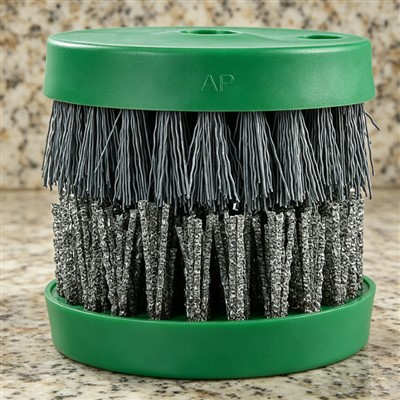
If you’re in the market for diamond grinding discs and you have any questions or need help choosing the right product for your needs, please don’t hesitate to contact us. We’re here to help you find the best solution for your application, and we’re committed to providing you with the highest-quality products and the best customer service.
Resin Frankfurt Abrasive References:
- "Diamond Grinding Tools: Principles and Applications." By J. C. Sung and Y. S. Yoon.
- "Advanced Materials for Grinding and Polishing." Edited by S. C. Luo and C. T. Liu.
- "Handbook of Abrasive Technology." Edited by K. R. Ananthapadmanabhan and S. S. Tewari.
Quanzhou Cheefung New Materials Co., Ltd.
As one of the most experienced diamond grinding disc enterprises in China, we are able to meet the needs of the majority of our customers. Please feel free to wholesale advanced diamond grinding disc made in China here from our factory. For price consultation, contact us.
Address: Jinshan Community, Licheng District, Quanzhou City, Fujian, China
E-mail: info@prostonetools.com
WebSite: https://www.prostonetools.com/
