What are the limitations of nestable plastic pallets?
As a supplier of nestable plastic pallets, I’ve had the privilege of witnessing the widespread adoption and numerous advantages these products offer. Nestable plastic pallets are renowned for their durability, recyclability, and space – saving design. They have revolutionized the way goods are stored and transported across various industries. However, like any product, they are not without their limitations. In this blog, I’ll delve into some of the key drawbacks of nestable plastic pallets to provide a comprehensive understanding for potential buyers. Nestable Plastic Pallet

1. Load – Bearing Capacity
One of the primary limitations of nestable plastic pallets is their relatively lower load – bearing capacity compared to wooden or metal pallets. While modern plastic pallets have come a long way in terms of strength, they may still struggle to handle extremely heavy loads. For industries that deal with bulky and weighty items, such as the construction or heavy machinery sectors, nestable plastic pallets might not be the most suitable option.
The design of nestable plastic pallets, which allows them to stack inside one another when not in use, can sometimes compromise their structural integrity under high – stress situations. The nesting feature often requires a thinner and more lightweight construction, which in turn limits the amount of weight the pallet can safely support. For example, a standard wooden pallet can typically handle loads of up to several thousand pounds, while a nestable plastic pallet might have a maximum load capacity in the range of a few hundred to a couple of thousand pounds, depending on its size and design.
2. Cost
Another significant limitation is the cost. Nestable plastic pallets generally have a higher upfront cost compared to wooden pallets. The manufacturing process of plastic pallets involves more complex techniques and the use of specialized materials, which drive up the price. For small – scale businesses or those on a tight budget, the cost of purchasing a large quantity of nestable plastic pallets can be a substantial financial burden.
Although plastic pallets offer long – term cost savings due to their durability and reusability, the initial investment can be a deterrent for many potential buyers. Wooden pallets are readily available and relatively inexpensive, making them a more attractive option for companies that need to keep their procurement costs down. Additionally, the cost of replacing damaged plastic pallets can also be relatively high, as they often cannot be easily repaired in the same way as wooden pallets.
3. Temperature Sensitivity
Plastic is sensitive to temperature fluctuations, which can be a drawback for nestable plastic pallets. Extreme heat can cause the plastic to warp, melt, or lose its structural integrity. In hot climates or environments where pallets are exposed to direct sunlight for extended periods, this can lead to issues such as distortion and reduced load – bearing capacity.
On the other hand, extremely cold temperatures can make the plastic brittle. When plastic becomes brittle, it is more prone to cracking and breaking, especially when subjected to impact or stress. This temperature sensitivity limits the use of nestable plastic pallets in industries that operate in harsh environmental conditions, such as food processing facilities with cold storage areas or outdoor logistics operations in extreme climates.
4. Chemical Compatibility
Nestable plastic pallets can be affected by certain chemicals. Exposure to strong acids, alkalis, or solvents can cause the plastic to degrade, discolor, or lose its strength. In industries where chemicals are frequently used, such as the chemical manufacturing or pharmaceutical sectors, the risk of chemical damage to plastic pallets is a significant concern.
Unlike wooden pallets, which may have some natural resistance to certain chemicals, plastic pallets need to be carefully selected based on the specific chemicals they will come into contact with. Specialized plastic pallets with chemical – resistant coatings can be used, but these often come at an additional cost. This chemical sensitivity can limit the versatility of nestable plastic pallets in chemical – intensive industries.
5. Static Electricity Build – up
Plastic is a good insulator, which means that nestable plastic pallets can accumulate static electricity. In industries where static electricity can pose a danger, such as the electronics or explosive materials sectors, this is a major limitation. Static electricity build – up on pallets can cause damage to sensitive electronic components or even trigger explosions in the presence of flammable substances.
To mitigate this issue, anti – static additives can be incorporated into the plastic during the manufacturing process. However, these additives can increase the cost of the pallets, and their effectiveness may also be limited over time. This makes it challenging for plastic pallets to be widely adopted in industries where static control is of utmost importance.
6. Limited Customization
Compared to wooden pallets, which can be easily cut, drilled, and modified to meet specific requirements, nestable plastic pallets offer limited customization options. The manufacturing process of plastic pallets typically involves molds, which are expensive to create and modify. As a result, it can be difficult and costly to produce plastic pallets with unique sizes, shapes, or features.
For companies that have very specific handling or storage needs, the lack of customization can be a significant drawback. For example, if a company requires pallets with special compartments or non – standard dimensions, it may find it challenging to source nestable plastic pallets that meet these requirements.
7. Recycling Challenges
While plastic pallets are often promoted as recyclable, the reality is that recycling them can be more complicated than it seems. Not all plastic recycling facilities are equipped to handle the specific type of plastic used in pallets. Additionally, the presence of other materials, such as additives or labels, can further complicate the recycling process.
If plastic pallets cannot be recycled properly, they may end up in landfills, which is contrary to the environmentally friendly image they are often associated with. This recycling challenge can be a concern for companies that are committed to sustainability and want to ensure that their packaging materials can be effectively recycled at the end of their life cycle.
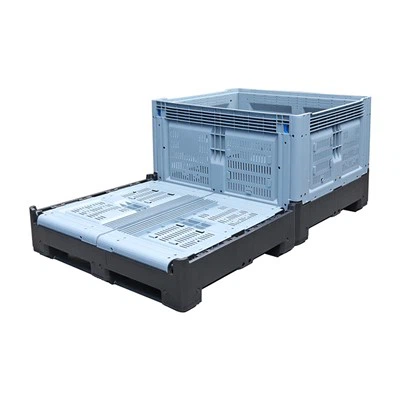
Despite these limitations, nestable plastic pallets still offer many benefits, such as cleanliness, hygiene, and space – saving features. They are a great choice for many industries, especially those that require a high level of cleanliness, such as the food and beverage or pharmaceutical sectors. If you are considering using nestable plastic pallets for your business, it’s important to carefully weigh the limitations against the advantages and determine if they are the right fit for your specific needs.
Industrial Pallet Container If you have any questions about our nestable plastic pallets or would like to discuss your procurement requirements, please don’t hesitate to reach out. We are here to help you make an informed decision and find the best pallet solution for your business.
References
- "The Handbook of Pallet Design and Manufacturing"
- "Plastics in Packaging: Properties, Processing, and Applications"
- "Logistics and Supply Chain Management: Principles and Practices"
Shanghai Qusheng Plastics Co., Ltd.
Address: No.85 Hengtang Road, Huaqiao Town, Kunshan City, Jiangsu Province
E-mail: Totepallet-inquiry@plastic-crate.com
WebSite: https://www.totepallet.com/
