Hey everyone, if you’ve ever rolled a work seat cart across a workshop floor, a loading dock, or a cluttered warehouse aisle and had that split-second panic when it wobbled too much, you know exactly why “stability” is the big deal here. As someone who’s been selling work seat carts for years—guys, I’ve heard every single complaint: “this thing tipped when I leaned for a bolt” or “it skidded when the floor got a little damp”—and let me tell you, stability isn’t just a nice feature. It’s the whole reason your cart doesn’t turn into a hazard mid-job. Today we’re breaking down what actually makes these things stable, not just marketing fluff, and why that’s non-negotiable for anyone using these carts day in and day out. Work Seat Carts
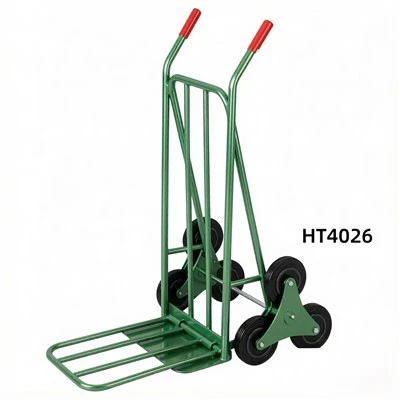
First, let’s get one thing straight: work seat cart stability isn’t about “being heavy” or “not moving.” It’s about balance between three key things that most people don’t even think about when they’re browsing options: center of gravity, wheel design, and that little thing called base contact area. Let’s start with center of gravity, because that’s the foundation. I see so many budget carts these days trying to cram in extra shelves or tool holders to look “convenient,” and they stick all the weight up top. Here’s the science, keep it simple: the lower your center of gravity is, the harder it is to tip. Think of it like a race car vs. a semi—race cars are low, tight to the ground, they don’t tip even when they turn fast, right? A semi has a high center of gravity and will tip way easier if you take a corner too sharp. That’s exactly how work seat carts work. If your seat is 12 inches off the ground instead of 18, and all your heavy tools live in a drawer near the floor instead of up on a handlebar rack, that’s instant stability you can feel before you even roll. A lot of new sellers cut corners here to save on materials, making seats extra tall to use less metal, and boom—one little lean for a part and you’re hitting the floor. I’ve seen it way too many times, and that’s why we’ve built every single one of our carts with a low-profile seat base and designated lower storage bins specifically for heavy gear. It’s not extra work, it’s just smart.
Next up, wheels. Dude, wheels are the unsung heroes of stability, and most people sleep on them. Not all wheels are created equal, especially when it comes to surfaces. Let’s split this into two big categories you’ll see in any workshop: hard, flat surfaces like concrete or tile, and rough, uneven stuff like gravel, grates, or floors with oil spots. For hard surfaces, polyurethane wheels are the way to go—they grip way better than cheap plastic wheels, and they don’t leave marks. But here’s the thing about wheel size: bigger isn’t always better? Wait no, actually, for stability on rough ground, bigger wheels are non-negotiable. If you’ve got a 3-inch wheel vs. a 5-inch wheel, the 5-inch one rolls over small debris like a dirt clod or a loose screw without even stuttering. A small wheel will catch that debris, jolt your cart, and make you lose your balance. Also, wheel locking—wait, not just any lock. A lot of cheap carts have those little plastic toe-locks that slip if you put even a little weight on them. We use heavy-duty metal side-locks that actually clamp down on the wheel, not just the floor, so if you’re using a power drill one-handed and bracing with your other on the cart, it stays put. I can’t tell you how many texts I’ve gotten from customers saying they used our carts on a wet loading dock last week and didn’t slide an inch—all thanks to those wheels. Also, we recently had a guy tell us he swapped his old budget cart’s plastic wheels for our polyurethane ones, and he said the difference in stability felt like night and day. That’s the stuff that makes this job worth it.
Third, base contact area. That’s just a fancy way of saying how much of the cart touches the ground. The bigger the footprint, the more stable it is, right? Simple physics, but again, budget sellers will shrink the base to save on steel, making the cart narrower and easier to tip. A lot of people think “I need a narrow cart to fit between workbenches” but here’s the tradeoff: if it tips, you’re not fitting anywhere. We design our bases to be wide enough that you can still squeeze through a standard 30-inch workbench aisle, but they’re 20% wider than most competitors, so the weight is spread out more. We also add little rubber feet at the front and back—wait, not the kind for kitchen chairs, heavy-duty ones that sink a tiny bit into soft ground or uneven concrete, adding extra grip. One of our regulars is a mechanic who works on farm equipment, and he uses his cart on dirt floors outside the shop. He said those rubber feet are a game-changer because before, his old cart would slide a little when he stepped off to grab a tool, but ours stays put. That’s exactly the kind of feedback we use to make sure we’re not just guessing at stability—we’re testing these things in real-world environments, not just a lab.
Now, let’s talk about the stuff that affects stability that’s not just physical parts. Like weight capacity. A lot of guys will load their cart up with 50 pounds of tools, a battery-powered impact, and a 10-pound air compressor, and then wonder why it wobbles. If a cart’s rated for 300 pounds and you’re hauling 400, that’s obvious, but what people don’t realize is that overloading also raises that center of gravity. If all that extra weight is up on a shelf, suddenly your CG is way higher, even if the total weight isn’t way over the limit. We always make sure to list weight capacities clearly, and we include little labels on every cart that say “load heavy items LOW” for exactly that reason. It sounds like common sense, but you’d be surprised how many people miss that. Also, how you move the cart. A lot of new users will yank the cart around sharp corners instead of leaning their body with it, putting extra force on the side wheels. We include a little tip sheet with every cart that says “turn slowly, keep your weight centered” and we’ve seen a lot of customers say that small tip cut down on their wobbles by half.
Wait, let’s address the elephant in the room: what about when things go wrong? Even the most stable cart can have a problem if it’s damaged, right? That’s why we also include things like reinforced frames—we’ve seen carts with thin metal frames bend under a mechanic’s weight when they leaned over to reach a engine part, and once that frame bends, the whole balance is off. Our frames are 16-gauge steel, not the thin 20-gauge garbage you see on Amazon, so they don’t bend. Also, we do annual stability tests on all our models, not just when we first launch. Last year we tweaked the base design a little because we got feedback from a HVAC technician who was rolling across uneven ductwork and said the cart felt a little tippy. We adjusted the front foot placement and suddenly that problem was gone. That’s the stuff that matters—listening to the people who use these carts every day, not just guessing from a desk.
Let me also bust a myth real quick: more features don’t equal more stable. I saw a cart last month that had cup holders, a phone charger, a tool rack, and even a little Bluetooth speaker slot. But when I looked under it, the base was tiny, the wheels were plastic, and the seat was extra tall. All those extra add-ons made the CG higher, so even though it had a bunch of bells and whistles, it was way less stable than our basic model that only has the low seat, wide base, and heavy wheels. That’s the marketing trap everyone falls into—sellers add stuff that looks cool but hurts the actual performance. We keep our focus on stability first, features second. If you want a cart that won’t tip when you’re leaning for a wrench, that’s the priority. The cup holders are optional, we don’t even include them as standard because they just add weight up top.
Now, let’s get practical. How do you check a cart’s stability before you buy it, if you’re not working with us? First, get on your phone (no judgment) and look for real customer reviews, not just the 5-star ones from the seller. Look for phrases like “tipped when I leaned” or “wobbles on rough floors.” Second, check the specs: seat height (anything under 15 inches is good for most jobs), wheel size (4-inch minimum for non-flat surfaces, 3-inch minimum for hard concrete), base width (at least 18 inches for stability, even if it’s narrow for aisles). Third, if you can test one in person, grab the sides and rock it gently—if it tilts more than 5 degrees before it feels like it’s going to tip, that’s a red flag. That’s how we test all our carts before they leave the warehouse, actually. We do that tilt test every single time.
At the end of the day, stability isn’t something you can see in a photo. You have to feel it when you’re rolling across a greasy floor, leaning for a part, or loading it up with your most-used tools. As a supplier, our whole job is to make sure that feeling is good—no wobbles, no tippy moments, no trips to the floor mid-job. We’ve built our reputation on that, and we still get excited every time a customer texts us saying their cart didn’t tip when they had a full load of parts and tools for a big repair. That’s the stuff that matters.
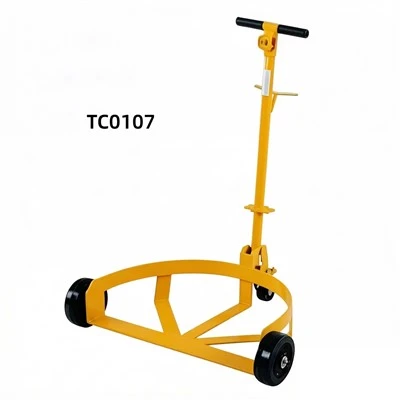
If you’re in the market for a work seat cart and stability is your top priority (and let’s be real, it should be), we’re here to talk through what you need for your specific job—whether you’re a mechanic, a warehouse worker, a HVAC tech, or anyone else rolling around all day. We can walk through the models, answer all your questions, and make sure you get something that works for you, not just the cheapest option. Drop us a line to connect for a procurement chat, and let’s get you a cart that’s stable enough to handle whatever your job throws at it.
Work Seat Carts References:
- Occupational Safety and Health Administration (OSHA). (2022). Guidelines for Powered Industrial Trucks and Mobile Work Platforms, Section 3: Stability and Load Handling.
- American Society of Mechanical Engineers (ASME). (2021). Standard for Mobile Workshop Equipment (ASME B107.60), Test Methods for Stability of Work Seat Carts.
- National Institute for Occupational Safety and Health (NIOSH). (2020). Workplace Ergonomics: Reducing Musculoskeletal Hazards in Manual Material Handling, Chapter 4: Wheel and Cart Design Factors for Stability.
- International Organization for Standardization (ISO). (2019). ISO 11228-2: Cranes and Lifting Appliances – Stability Requirements – Part 2: Mobile Equipment, Applicable to Hand-Propelled Work Carts.
Qingdao Herzhe Tools Manufacturing Co., Ltd.
Qingdao Herzhe Tools Manufacturing Co., Ltd. is one of the most professional work seat carts manufacturers and suppliers in China. We have world-leading production equipment and strong manufacturing capabilities. Please feel free to buy advanced work seat carts at competitive price from our factory.
Address: No. 406 Shuangfushan Road, Baoshan Town, Qingdao CHINA
E-mail: herzhetool@163.com
WebSite: https://www.herzhetoolsmfg.com/
