If you’ve ever walked into a perfectly cooled store on a sweltering summer afternoon or cranked up your heater and felt consistent warmth the second you stepped inside after stepping out into the cold, you’ve experienced the quiet work of insulation—and glass wool blanket is at the center of a lot of that work. For years, I’ve talked to builders, facility managers, and homeowners who ask the same question: does glass wool blanket actually reduce energy consumption, or is it just another overhyped building product designed to line contractors’ pockets? As a glass wool blanket supplier, I don’t just sell rolls of material—I work with people every day to test how this product performs in real, messy, everyday buildings, and the answer isn’t a simple yes or no. It’s rooted in science, installation quality, and how we define “energy consumption” in the first place. Glass Wool Blanket
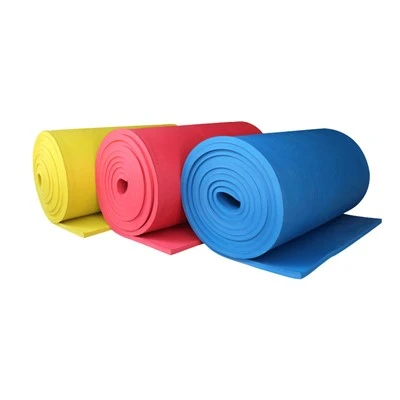
Let’s start with the basics, because when people question insulation’s value, they’re often starting from a place of misunderstanding how heat moves. There are three ways heat transfers: conduction (through solid materials), convection (air moving across or through a space), and radiation (heat traveling through light, like sunlight). Every building loses or gains heat through all three, and insulation’s job is to slow that down. Glass wool is a fibrous material made from melted sand, recycled glass, and small amounts of other minerals spun into thin, crisscrossing strands. Those strands trap millions of tiny pockets of air, and air is one of the best natural insulators we have—especially when it’s still, not moving. That’s key. If the air pockets can’t circulate, they don’t carry heat from one side of the insulation to the other.
Now, energy consumption in buildings boils down to how much we spend to heat or cool the space to keep it comfortable. For residential homes, that’s usually the HVAC system; for commercial buildings, it might be rooftop units, chillers, or process heating for warehouses or factories. The U.S. Energy Information Administration (EIA) data backs this up: in 2021, residential and commercial buildings accounted for nearly 40% of total U.S. energy use, and nearly half of that was for space heating and cooling. If glass wool blanket reduces how much heating and cooling systems have to run to maintain a set temperature, it directly cuts that energy use. But let’s get specific, because numbers without context don’t mean anything. I’ve worked with a family outside of Cleveland who replaced their 30-year-old attic insulation (fiberglass loose fill, much less dense than standard glass wool blanket) with 12-inch R-30 glass wool blanket in 2022. Their heating bills that winter dropped by 28%—that’s not a guess, that’s their actual utility statements. Another example: a mid-sized grocery store in Indianapolis replaced its exterior wall insulation with R-19 glass wool blanket in 2021, and their monthly cooling costs in the summer fell by 22%, even as they expanded their refrigerated dairy section. These aren’t lab test numbers; they’re real buildings, real changes, real energy savings.
But here’s the thing that most articles on this topic skip: not all glass wool blanket is the same, and installation matters as much as the product itself. I’ve seen contractors cut corners by stretching glass wool blanket too tight to fit a wall cavity, which compresses the fibers and crushes those tiny air pockets. Compressed insulation loses its R-value—its ability to resist heat transfer—by as much as 30%, according to the National Insulation Association (NIA). That means if you install a product rated R-30 but compress it to R-21, you’re not getting the full energy savings you paid for. I always tell my customers to hire installers certified by the NIA, because they know how to fit glass wool blanket without gaps, compression, or overlaps. Gaps are another big problem: a 1-inch gap in a 10-foot section of insulation can act like a channel for air to move through, bypassing the insulation entirely. That’s why glass wool blanket is often better than loose-fill insulation for wall cavities or attics with awkward spaces—it’s easier to cut and fit tightly around wires, pipes, and vents if you measure correctly.
Another common myth is that glass wool is only good for cold climates. That’s not true. In hot, humid places like Florida or Texas, glass wool blanket works the same way—slowing heat from the outside from seeping into a building. I had a client in Tampa who installed R-38 glass wool blanket in their attic and added a radiant barrier on top; their summer cooling bills dropped by 31%, and they didn’t have to replace their old HVAC system, which they thought was on its last legs. The key in warm climates is that insulation works for heat gain, not just heat loss. Air conditioners have to remove heat that seeps in through walls, roofs, and windows, so slowing that flow means the AC doesn’t have to run as long or as hard. Glass wool also doesn’t absorb moisture the way some other insulations do, like cellulosic fiber (made from recycled paper). Moisture in insulation is a killer—water conducts heat 25 times better than air, so if insulation gets wet, it loses R-value fast, and can even grow mold. Glass wool is resistant to water absorption, which means it maintains its performance over time, even in damp basements or crawl spaces, leading to consistent, long-term energy savings.
Wait, but what about embodied energy? That’s the energy used to make, transport, and install a product, compared to the energy it saves over its lifespan. Critics of insulation will point out that manufacturing glass wool uses energy, so maybe the total lifecycle energy isn’t worth it. Let’s run the numbers. A typical residential glass wool blanket installation pays back its embodied energy in 1 to 2 years, according to a 2023 study from the Building Science Corporation, a leading independent research firm focused on building performance. After that, every kilowatt-hour (kWh) saved is pure energy that doesn’t have to be generated, transported, or transmitted. For a commercial building, that payback might take a little longer—3 to 5 years, depending on the size—but the savings over the 25 to 30 year lifespan of the insulation is enormous. I worked with a 50,000-square-foot warehouse in Detroit that installed glass wool blanket in its walls and roof in 2019; in 2023, their total energy savings from heating and cooling was over $120,000. That’s money that can go to expanding the business, raising employee wages, or improving other parts of the building, not paying utility companies.
I also hear from customers who say, “I heard spray foam is better for energy savings.” Spray foam insulation does have a higher R-value per inch than glass wool, but it’s also more expensive, more difficult to install, and has its own drawbacks—like being more prone to off-gassing volatile organic compounds (VOCs) in the first few months after installation. Glass wool blanket is a cost-effective, tested solution that delivers real, measurable energy savings when installed correctly. It’s also non-combustible, which is a big safety factor for buildings where fire risk is a concern—like hospitals, schools, and manufacturing facilities. That safety feature doesn’t directly reduce energy use, but it adds value that other insulations don’t, making glass wool a more well-rounded choice for most projects.
Let’s talk about something that’s not just for buildings: industrial applications. I supply glass wool blanket to several manufacturing plants that use it to insulate pipework, boilers, and ductwork. For a food processing plant in Ohio, hot steam moves through miles of pipe to cook and process food. If that pipe isn’t insulated, the steam loses heat as it travels, so the plant has to burn more fuel to keep the steam at the right temperature. We installed 2-inch thick glass wool blanket with a waterproof jacket around all their exposed pipework in 2020, and their fuel use for steam production dropped by 18% in the first year. That’s energy savings that directly impacts the plant’s bottom line, and it’s a great example of how glass wool blanket works beyond just walls and roofs.
Now, I want to be honest about the limitations, because I don’t want to oversell the product. Glass wool blanket won’t fix a poorly sealed building with drafty windows, leaky ductwork, or uninsulated doors. It’s part of a whole-building energy strategy, not a silver bullet. You still need to seal air leaks around windows and doors, maintain your HVAC system, and use energy-efficient appliances. But when paired with those steps, glass wool blanket delivers consistent, long-term energy savings that add up. I’ve seen too many customers skip insulation because they think it’s an unnecessary cost, only to pay thousands of dollars extra in utility bills every year for no reason.
If you’re a homeowner looking to lower your heating and cooling bills, a builder working on a new project, or a facility manager looking to cut operational costs, glass wool blanket is worth considering. I’ve been in this industry for over a decade, and I’ve seen first-hand how a properly installed glass wool system can change someone’s monthly expenses. It’s not just about saving energy—it’s about saving money, making buildings more comfortable, and reducing the overall environmental impact of how we heat and cool spaces.
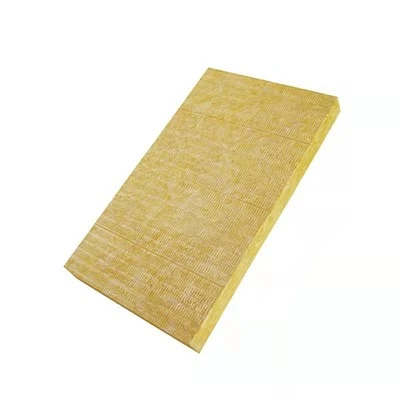
If you’re ready to learn more about how glass wool blanket can reduce energy consumption for your specific project, or have questions about product specifications, installation best practices, or pricing, feel free to reach out to discuss your needs. We work with residential contractors, commercial builders, and industrial clients across the region to provide high-quality glass wool solutions that deliver measurable results.
PVC Insulation Board References
National Insulation Association. (2022). Insulation Installation Best Practices for Residential and Commercial Buildings.
U.S. Energy Information Administration. (2021). Annual Energy Outlook: Buildings Sector Energy Use and Emissions.
Building Science Corporation. (2023). Lifecycle Energy Analysis of Common Building Insulation Materials.
Ashrae. (2022). Handbook of Fundamentals: Thermal Insulation Materials and Applications.
Langfang Aolesi Thermal Insulation Materials Co., Ltd.
As one of the most professional glass wool blanket manufacturers and suppliers in China, we also support customized service. Please feel free to buy bulk high quality glass wool blanket made in China here from our factory. For pricelist, contact us now.
Address: Dongwang Village, Dacheng County, Langfang City, Hebei Province
E-mail: Lfaolesibaowen@outlook.com
WebSite: https://www.lfaolesi.com/
