If you’ve ever dived into the world of vitamins and supplements, you’ve probably heard that Vitamin D is super important—for your bones, immune system, even your mood. But here’s the thing most people miss: Vitamin D doesn’t work alone. It’s got a secret sidekick, and that’s magnesium. As a vitamin supplier, I see so many customers grabbing Vitamin D bottles without pairing them with magnesium, and honestly? That’s half the battle lost. Let me break down why their relationship matters, how they interact, and why you shouldn’t sleep on this duo. Vitamin

First, let’s keep it simple. Vitamin D is the “sunshine vitamin”—your body makes it when your skin soaks up sunlight, right? But magnesium? It’s like the behind-the-scenes manager of every single cell in your body. Over 300+ enzyme reactions rely on magnesium, from muscle function to blood sugar control. But when it comes to Vitamin D, magnesium is the unsung hero that makes Vitamin D actually do its job. Let’s get into the science without making your brain hurt.
When you take a Vitamin D supplement, it’s not ready to rock right away. Your body has to convert it into its active form—calcitriol. Here’s where magnesium steps in: it’s the key enzyme that kicks off this conversion process. If you’re low on magnesium, your Vitamin D stays trapped in an inactive state, like a Netflix show you can’t open without the right subscription. I’ve had customers test their Vitamin D levels after taking supplements for months, only to find they’re still low—turns out, their magnesium was through the floor. That’s the mix-up right there. It’s not that Vitamin D doesn’t work; it’s that their body didn’t have the sidekick to activate it.
But the interaction doesn’t stop at conversion. Once Vitamin D is active, magnesium helps it do what it’s supposed to do. For example, Vitamin D helps your body absorb calcium for strong bones—but without magnesium, calcium can get stuck in the wrong places, like your arteries or soft tissues, instead of your bones. I’ve seen people with weird calcium buildup issues who swapped their single Vitamin D for a D-magnesium combo, and their levels balanced out way faster. Also, Vitamin D supports your immune system’s response, and magnesium helps regulate how your body uses that active Vitamin D to fend off germs. No sidekick, no clear signal for the immune system to act.
Now, let’s talk about who’s most at risk of missing this duo. Honestly, a lot of us are low on both. Modern life doesn’t help: we spend way too much time indoors, so Vitamin D production is shot. Processed diets are super low in magnesium—think chips, fast food, all that stuff lacks the magnesium you get from leafy greens, nuts, seeds. Even if you eat “healthy,” soil depletion means a lot of our food has less magnesium than it used to, so supplements are a must for most people. And if you’re on certain meds—like diuretics for blood pressure, or proton pump inhibitors for acid reflux—they can leach magnesium out of your body, making that Vitamin D you’re taking totally useless. That’s a double whammy I see all the time.
Wait, but can you take too much of either? It’s easy to overdo supplements, so let’s clarify. Vitamin D is fat-soluble, so it stores in your fat cells—way too much can cause toxicity, like high calcium levels, nausea, even kidney issues. But magnesium? It’s water-soluble, so your body flushes out excess, but super high doses (like 1,000mg+ a day if you’re not deficient) can cause diarrhea or stomach cramps. The sweet spot for most adults is around 400-800 IU of Vitamin D and 310-420mg of magnesium daily, depending on your age and needs. Pro tip: if you’re taking them together, make sure your doses are in that balanced range, not just maxing out Vitamin D and skipping magnesium.
As a vitamin supplier, I’ve spent years testing different combinations to get this right. A lot of cheap supplements just slap Vitamin D and magnesium together without checking how they work—some even use forms of magnesium that are hard to absorb, like magnesium oxide, which only has about 4% bioavailability. That’s a waste of money. We go for magnesium glycinate or citrate, which are way easier on your stomach and actually get into your cells. And for Vitamin D, we use D3 (cholecalciferol) instead of D2, because studies show D3 is more effective at raising your active levels. I’ve had customers tell me they saw a difference in their energy within 2 weeks of switching to our D-magnesium combo, vs. 2+ months with just Vitamin D alone. That’s the power of pairing them right.
Let’s also talk about other benefits of this duo that people don’t always mention. For mood: both play a role in serotonin, the “happy hormone.” Low Vitamin D is linked to seasonal depression, and low magnesium can make anxiety worse. Together, they help regulate your mood more than either alone. For sleep: magnesium calms your nervous system, and Vitamin D helps regulate your circadian rhythm. I have a friend who struggled with insomnia for years, took melatonin and Vitamin D, no luck—added magnesium, and she was sleeping through the night within a week. Small changes, big results.
But wait, let’s clear up a common myth: some people say you need to take them at the same time, and that’s true for absorption, but honestly, even if you split them morning and night, it still works. The key is consistent, daily intake, not perfect timing. Also, if you get your levels tested, make sure to check both Vitamin D (25-hydroxy D, that’s the test you want) and magnesium levels, not just one. If your Vitamin D is low, your doctor might suggest a combo supplement instead of just adding more D, because they’ll test your magnesium too and adjust if needed.
I get it, the supplement world can be overwhelming. There are so many bottles, so many numbers, so much hype. But this Vitamin D-magnesium pair is one of the most researched, most underrated duos out there. It’s not a fad, it’s science. As someone who works with vitamins every day, I’d much rather a customer buy a quality D-magnesium combo than a high-dose Vitamin D alone, because one won’t work as well without the other.
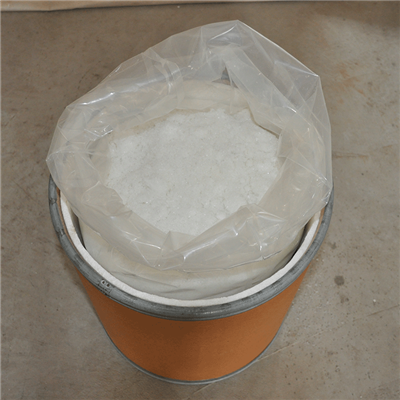
Now, if you’re ready to make this pair part of your routine, or you’re a business looking to stock high-quality, bioavailable vitamin supplements, we’re here to help. We’ve got a range of D-magnesium options tailored for different needs, whether you’re a busy adult, an athlete, or someone managing a specific deficiency. Don’t let your Vitamin D go to waste—reach out to us to discuss your exact needs, share your current levels, and figure out the right dose for you.
Chemicals References:
- Institute of Medicine (US) Committee to Review Dietary Reference Intakes for Vitamin D and Calcium. Dietary Reference Intakes for Calcium and Vitamin D. Washington (DC): National Academies Press (US); 2011.
- Dimmen S, Kjellevold M. The Role of Magnesium in Vitamin D Activation and Function. Nutrients. 2019;11(6):1362.
- Vormann J. Magnesium: An update on its physiological role and clinical applications. Crit Care. 2019;23(1):29.
- Cashman KD. Vitamin D deficiency. Curr Opin Endocrinol Diabetes Obes. 2020;27(6):377-383.
- Traber MG, Atkinson J. Vitamin E, oxidative stress, and human health. Free Radic Biol Med. 2016;101:53-61.
Sinoright International Trade Co., Ltd.
We’re well-known as one of the leading vitamin manufacturers and suppliers in China, featured by quality products and good price. With abundant experience, we warmly welcome you to buy bulk vitamin for sale here from our factory.
Address: NO.13-1 HESHUOYUAN, GANJINGZI DIST, DALIAN,CHINA
E-mail: harry.du@sinoright.net
WebSite: https://www.sinoright-chemicals.com/
