Hey there! I’m a supplier of PE tarpaulin, and today I wanna talk about the difference between PE tarpaulin and PVC tarpaulin. It’s a topic that comes up a lot when customers are trying to figure out which type of tarpaulin is right for them. So, let’s dive in and break it down. PE Tarpaulin
Material Composition
First off, let’s look at what these tarps are made of. PE stands for polyethylene. It’s a type of plastic that’s super common. PE tarpaulin is made from high – density polyethylene (HDPE) or low – density polyethylene (LDPE). These materials are extruded and then woven together to form a strong, flexible fabric.
On the other hand, PVC stands for polyvinyl chloride. PVC tarpaulin is made by coating a polyester or nylon fabric with polyvinyl chloride. This coating gives the tarpaulin a smooth, shiny surface.
The difference in material composition affects a whole bunch of things, like how the tarps feel, how they perform, and how long they last.
Strength and Durability
When it comes to strength, both PE and PVC tarpaulins are pretty tough, but in different ways. PE tarpaulins are known for their good tensile strength. That means they can handle a lot of pulling and stretching without tearing. They’re great for applications where you need to cover large areas, like covering a field or a construction site.
PVC tarpaulins, however, are generally more puncture – resistant. The PVC coating adds an extra layer of protection, making them less likely to get holes from sharp objects. If you’re using the tarpaulin in an environment where there are a lot of sharp things around, like in a forest or a factory with machinery, PVC might be the better choice.
In terms of durability, PVC tarpaulins usually have a longer lifespan. The PVC coating helps protect the fabric from UV rays, moisture, and chemicals. PE tarpaulins can also last a long time, but they’re more susceptible to UV damage over time. If you’re going to be using the tarpaulin outdoors for a long period, you might need to treat the PE tarpaulin with a UV inhibitor to extend its life.
Weight and Flexibility
PE tarpaulins are generally lighter than PVC tarpaulins. This makes them easier to handle, transport, and install. If you’re working alone or need to move the tarpaulin around a lot, the lighter weight of PE can be a big advantage.
PE tarpaulins are also more flexible. They can be easily folded, rolled up, and stored. This flexibility makes them a good choice for applications where you need to shape the tarpaulin to fit an irregular object.
PVC tarpaulins, while still flexible to some extent, are a bit stiffer. They’re not as easy to fold and roll up, especially when they’re cold. But this stiffness can also be an advantage in some situations. For example, if you need the tarpaulin to maintain a certain shape, like when making a tent or a shelter, the stiffness of PVC can help.
Cost
Cost is always a factor when choosing a tarpaulin. Generally, PE tarpaulins are more affordable than PVC tarpaulins. The raw materials for PE are less expensive, and the manufacturing process is also simpler. This makes PE a great option for budget – conscious customers.
If you’re on a tight budget and just need a basic tarpaulin for short – term use, like covering a stack of firewood or protecting a car during a rainstorm, PE tarpaulin is the way to go.
However, if you need a high – quality, long – lasting tarpaulin for a more demanding application, like a commercial greenhouse or a large – scale construction project, the higher cost of PVC might be worth it.
Waterproofing and Resistance
Both PE and PVC tarpaulins are waterproof. But the way they achieve waterproofing is different. PE tarpaulins rely on the woven structure of the polyethylene fabric to keep water out. The tight weave creates a barrier that prevents water from seeping through.
PVC tarpaulins, with their PVC coating, have a more complete waterproofing. The coating forms a continuous layer that blocks water completely. This makes PVC tarpaulins better for applications where you need absolute waterproofing, like covering a boat or a storage shed.
In terms of resistance to other elements, PVC tarpaulins are more resistant to chemicals, oils, and solvents. The PVC coating acts as a shield against these substances. PE tarpaulins can be damaged by some chemicals, so they’re not the best choice if you’re using them in an environment where they’ll be exposed to harsh chemicals.
Applications
PE tarpaulins are used in a wide range of applications. They’re great for agricultural use, like covering crops, hay, or farm equipment. They’re also commonly used in construction for covering building materials, scaffolding, and temporary shelters. In the camping and outdoor recreation industry, PE tarpaulins are used as groundsheets, rainflys, and shade shelters.
PVC tarpaulins are often used in more heavy – duty applications. They’re popular in the transportation industry for covering trucks and trailers, as they can withstand the rigors of long – distance travel and exposure to the elements. They’re also used in the marine industry for boat covers, as their excellent waterproofing and durability are essential in a wet environment.
Which One Should You Choose?
So, how do you decide between PE and PVC tarpaulin? Well, it depends on your specific needs. If you’re on a budget, need a lightweight and flexible tarpaulin for short – term or general use, PE is the way to go. It’s a great all – around option for many common applications.
If you need a tarpaulin that’s highly durable, puncture – resistant, and offers excellent waterproofing and chemical resistance, and you’re willing to pay a bit more, then PVC is the better choice. It’s ideal for heavy – duty, long – term applications.
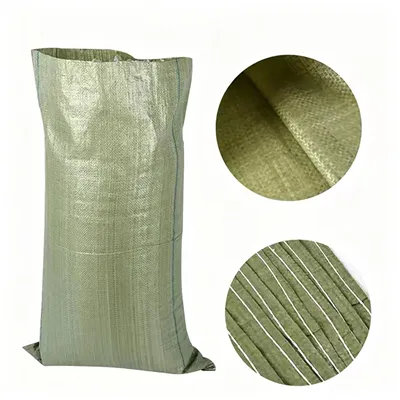
As a PE tarpaulin supplier, I can tell you that our PE tarpaulins are of top – notch quality. We use high – grade polyethylene materials and advanced manufacturing techniques to ensure that our tarps are strong, reliable, and long – lasting. Whether you need a small tarpaulin for your backyard or a large one for a commercial project, we’ve got you covered.
PP Woven Bags If you’re interested in purchasing PE tarpaulin, or if you have any questions about the difference between PE and PVC tarpaulin, don’t hesitate to get in touch. We’re here to help you make the right choice for your needs. Just reach out to us, and we’ll be happy to discuss your requirements and provide you with a quote.
References
- Plastics Europe. Polyethylene: Properties and Applications.
- American Chemistry Council. Polyvinyl Chloride (PVC): An Overview.
- Tarpaulin Manufacturers Association. Guide to Tarpaulin Materials.
Liaoning Xunlian Packaging Products Co., Ltd.
Liaoning Xunlian Packaging Products Co., Ltd. is one of the most professional pe tarpaulin manufacturers and suppliers in China, featured by quality products and good service. Welcome to wholesale CE approved pe tarpaulin made in China here and get quotation from our factory. Customized orders are welcome.
Address: Chaoyang Industrial Park, Kangping, Shenyang, Liaoning, China.
E-mail: info@xunlianpack.com
WebSite: https://www.xunlianpack.com/
