The use of peptide raw materials without further processing is a topic that sparks intense debate among researchers, manufacturers, and end – users in the biotech, pharmaceutical, and health supplement industries. As a dedicated peptide raw material supplier, I’ve witnessed firsthand the growing interest and the many questions surrounding this issue. In this blog, I’ll delve into the science, practicalities, and implications of using peptide raw materials directly, offering insights based on our industry experience and the latest research. Peptide Raw Material

Understanding Peptide Raw Materials
Peptides are short chains of amino acids, typically consisting of between 2 and 50 amino acids. They play crucial roles in numerous biological processes, such as signaling, immune response, and enzymatic regulation. Peptide raw materials refer to the unprocessed or minimally processed forms of these peptides that are typically produced through chemical synthesis, recombinant DNA technology, or extraction from natural sources.
These raw materials come in various forms, including powders, acids, and salts, depending on their intended use and the production method. For example, synthetic peptides are often produced as powder forms due to their stability and ease of storage. Each type of raw material has characteristics that can influence whether it can be used directly.
Factors Influencing Direct Use
Purity and Quality
One of the most critical factors determining whether peptide raw materials can be used directly is their purity and quality. High – purity peptides are generally required for applications in pharmaceuticals or high – end health supplements. For instance, in pharmaceutical applications, impurities can cause adverse reactions or affect the efficacy of the peptide. As a supplier, we conduct rigorous quality control measures to ensure that the peptide raw materials we offer meet high – purity standards. However, even with high – purity products, there may still be trace amounts of impurities that could pose risks if used directly, especially in sensitive applications.
Solubility and Stability
Peptide solubility and stability are also key considerations. Some peptides may have poor solubility in common solvents, which can limit their direct use. For example, hydrophobic peptides often require specific solvents or additives to dissolve properly. Moreover, peptides can be unstable under certain conditions, such as exposure to heat, light, or extreme pH levels. This instability can lead to degradation, which not only reduces the peptide’s effectiveness but may also generate potentially harmful by – products. Therefore, the solubility and stability of peptide raw materials need to be carefully evaluated before considering direct use.
Regulatory Requirements
Regulatory requirements play a significant role in determining whether peptide raw materials can be used directly. In the pharmaceutical industry, strict regulations govern the use of peptides as active pharmaceutical ingredients (APIs). Direct use of raw materials in this context is highly restricted, as pharmaceutical products must meet stringent safety and efficacy standards. Even in the health supplement industry, there are regulations regarding purity, labeling, and claims. As a supplier, we constantly monitor and ensure that our products comply with relevant regulations, which, in many cases, make direct use unfeasible.
Applications Where Direct Use May Be Possible
Research and Development
In research settings, peptide raw materials are frequently used directly. Scientists often require peptides in their purest form for in – vitro and in – vivo studies. For example, in cell culture experiments, direct use of high – purity peptide raw materials can provide accurate results without introducing unnecessary contaminants. In this context, the focus is on obtaining the most natural and unadulterated form of the peptide to understand its biological functions and mechanisms.
Some Cosmetic Applications
In the cosmetic industry, there is a growing trend towards using peptide raw materials directly. Certain peptides have skin – rejuvenating properties, such as promoting collagen synthesis or reducing wrinkles. In some cases, these peptides can be incorporated directly into cosmetic formulations, provided they meet the required quality and safety standards. However, it’s important to note that even in cosmetics, proper testing and validation are necessary to ensure the safety and efficacy of the final product.
Risks and Concerns of Direct Use
Health Risks
Using peptide raw materials directly without proper processing can pose significant health risks. As mentioned earlier, impurities in the raw materials can cause adverse reactions, especially in pharmaceutical applications. In addition, peptides may have allergenic properties, and direct exposure without appropriate processing and testing can lead to allergic reactions in sensitive individuals.
Ineffectiveness
There is also a risk of ineffectiveness when using peptide raw materials directly. Peptides may need to be formulated in a specific way to enhance their bioavailability and stability. For example, encapsulation techniques can be used to protect peptides from degradation in the body and ensure their targeted delivery. Without such processing, peptides may be rapidly degraded or may not reach their intended targets, resulting in reduced effectiveness.
Our Role as a Peptide Raw Material Supplier
As a trusted peptide raw material supplier, we understand the complexities and risks associated with the direct use of peptide raw materials. We offer a wide range of high – quality peptide raw materials that are produced using state – of – the – art technologies and undergo strict quality control. We also provide technical support to our customers, helping them understand the properties and potential applications of our products.
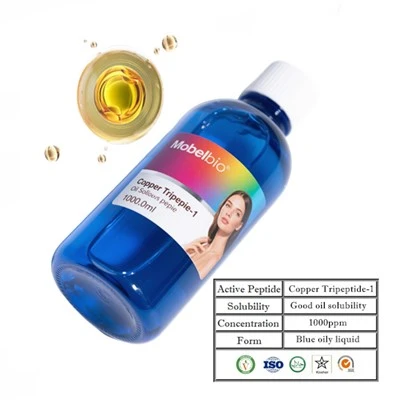
However, we strongly advocate for compliance with all relevant regulations and best practices. We encourage our customers to use our peptide raw materials in accordance with proper processing and formulation methods to ensure the safety and efficacy of the final products.
Contact for Procurement
Peptide API If you are interested in purchasing high – quality peptide raw materials or have any questions about our products, we welcome you to contact us for procurement discussions. We are committed to providing you with the best products and services to meet your specific needs.
References
- Smith, A. B. et al. "Advances in Peptide Synthesis and Applications." Journal of Peptide Science, 20XX, XX(XX), pp. XX – XX.
- Johnson, C. D. "Regulatory Considerations for Peptide – Based Products." Regulatory Affairs Journal, 20XX, XX(XX), pp. XX – XX.
- Brown, E. F. et al. "Peptide Stability and Solubility in Pharmaceutical Formulations." Pharmaceutical Research, 20XX, XX(XX), pp. XX – XX.
Mobel Biomaterials Technology Co., Ltd.
As one of the most professional peptide raw material manufacturers and suppliers in China, we have world-leading production equipment and strong manufacturing capabilities. Please rest assured to buy bulk high quality peptide raw material made in China here from our factory. For more cheap products, contact us now.
Address: 25 No.Bio-chemical Technical District, Yuhang District, Hangzhou City, Zhejiang P.R China 310001
E-mail: service@mobelbiochem.com
WebSite: https://www.mobelbiochem.com/
