Preventing overheating in a general-purpose injection molding machine is crucial for ensuring its optimal performance, longevity, and the quality of molded products. As a reputable supplier of these machines, I’ve witnessed firsthand the challenges that overheating can pose to manufacturers. In this blog, I’ll share some practical strategies and best practices to help you prevent overheating in your injection molding machine. General-purpose Injection Molding Machine
Understanding the Causes of Overheating
Before delving into prevention methods, it’s essential to understand the common causes of overheating in injection molding machines. These can be broadly categorized into mechanical, electrical, and cooling system issues.
Mechanical Issues
- Friction and Wear: Moving parts in the injection molding machine, such as screws, barrels, and hydraulic cylinders, generate friction during operation. Over time, wear and tear on these components can increase friction, leading to excessive heat generation. For example, a worn screw can cause uneven material flow and increased resistance, resulting in higher temperatures.
- Misalignment: Improper alignment of machine components can also cause increased friction and heat. If the screw is not properly aligned with the barrel, it can lead to uneven loading and excessive wear, which in turn generates heat.
Electrical Issues
- Overloaded Circuits: Injection molding machines rely on electrical systems to power various components, such as heaters, motors, and sensors. If these circuits are overloaded due to excessive power consumption or faulty wiring, it can cause overheating. For instance, using a heater with a power rating higher than the machine’s capacity can lead to overheating of the heating system.
- Faulty Electrical Components: Defective electrical components, such as relays, contactors, and capacitors, can also cause overheating. These components can fail due to age, poor quality, or improper installation, leading to increased resistance and heat generation.
Cooling System Issues
- Insufficient Cooling Capacity: The cooling system of an injection molding machine is responsible for removing heat generated during the molding process. If the cooling system is undersized or unable to handle the heat load, it can result in overheating. This can be due to factors such as a small cooling tower, inadequate water flow rate, or blocked cooling channels.
- Coolant Contamination: Contaminated coolant can reduce the efficiency of the cooling system and cause overheating. Dirt, debris, and rust can accumulate in the cooling channels and pipes, restricting water flow and reducing heat transfer. Additionally, the growth of algae and bacteria in the coolant can also cause blockages and reduce cooling efficiency.
Preventive Measures
Now that we understand the causes of overheating, let’s explore some preventive measures that you can implement to keep your injection molding machine running cool.
Regular Maintenance
- Inspect and Lubricate Moving Parts: Regular inspection and lubrication of moving parts are essential for reducing friction and wear. Check the screws, barrels, hydraulic cylinders, and other moving components for signs of wear and tear, and replace them as needed. Lubricate these parts with the appropriate lubricant according to the manufacturer’s recommendations.
- Check Electrical Connections: Inspect the electrical connections in the machine regularly to ensure they are tight and free of corrosion. Loose or corroded connections can cause increased resistance and heat generation. Tighten any loose connections and clean or replace corroded terminals.
- Clean the Cooling System: Regularly clean the cooling system to remove dirt, debris, and rust. Flush the cooling channels and pipes with a suitable cleaning agent to ensure proper water flow. Check the coolant level and quality regularly and top up or replace the coolant as needed.
Proper Machine Operation
- Follow Operating Guidelines: Adhere to the manufacturer’s operating guidelines and specifications for the injection molding machine. This includes setting the correct temperature, pressure, and speed parameters for the molding process. Operating the machine outside of these specifications can cause excessive heat generation and damage to the machine.
- Avoid Overloading: Do not overload the machine by running it at maximum capacity for extended periods. Overloading can cause the machine to overheat and reduce its lifespan. Instead, operate the machine at a reasonable load and allow it to cool down periodically.
- Monitor Machine Performance: Regularly monitor the performance of the injection molding machine, including temperature, pressure, and power consumption. Use sensors and monitoring systems to detect any abnormalities or signs of overheating. If you notice any issues, take immediate action to address them.
Upgrading and Retrofits
- Install Cooling Enhancements: Consider upgrading the cooling system of your injection molding machine to improve its cooling capacity. This can include installing a larger cooling tower, increasing the water flow rate, or adding additional cooling channels. Upgrading the cooling system can help prevent overheating and improve the overall performance of the machine.
- Replace Old Components: If your injection molding machine is old or has worn-out components, consider replacing them with newer, more efficient models. Newer components are often designed to generate less heat and operate more efficiently, which can help prevent overheating and reduce energy consumption.
- Implement Energy-Efficient Technologies: Look for energy-efficient technologies and features that can help reduce the heat generated by the injection molding machine. This can include using high-efficiency motors, variable frequency drives, and advanced control systems. These technologies can help optimize the machine’s performance and reduce energy consumption, while also preventing overheating.
Importance of Preventing Overheating
Preventing overheating in your injection molding machine is not only important for the machine’s performance and longevity but also for the quality of the molded products. Overheating can cause a variety of issues, including:
- Product Defects: Excessive heat can cause the plastic material to degrade, resulting in product defects such as warping, cracking, and discoloration. These defects can reduce the quality and functionality of the molded products and increase the scrap rate.
- Machine Downtime: Overheating can cause the injection molding machine to shut down unexpectedly, resulting in machine downtime. This can lead to production delays, lost revenue, and increased costs.
- Safety Hazards: Overheating can also pose safety hazards to operators and maintenance personnel. Hot components can cause burns, and the release of toxic fumes from overheated plastic materials can be harmful to health.
By implementing the preventive measures outlined in this blog, you can reduce the risk of overheating in your injection molding machine and ensure its optimal performance, reliability, and safety.
Conclusion

In conclusion, preventing overheating in a general-purpose injection molding machine is essential for ensuring its long-term performance and the quality of the molded products. By understanding the causes of overheating, implementing regular maintenance, following proper machine operation procedures, and considering upgrading and retrofits, you can keep your machine running cool and avoid costly downtime and product defects.
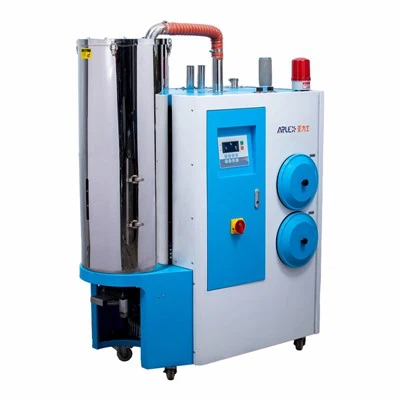
Injection Molding Auxiliary Equipment If you’re interested in learning more about our general-purpose injection molding machines or need assistance with preventing overheating in your existing machines, please don’t hesitate to contact us. Our team of experts is ready to provide you with the support and guidance you need to optimize your injection molding processes and achieve your production goals.
References
- "Injection Molding Machine Handbook" by Dominik Johannaber
- "Plastic Injection Molding: Principles and Practice" by Rosato, Rosato, and Schott
- "Industrial Maintenance and Troubleshooting" by Robert H. Boyes
Ningbo Yalishi (Arlex) Plastic Machinery Co., Ltd.
Address: No.63, Huangsu East Road, Industrial Zone, Dongqian Lake Tourist Resort, Ningbo, Zhejiang Province
E-mail: leo@arlex.cn
WebSite: https://www.arleximm.com/
