As a supplier of detector modules, I’ve had numerous inquiries about the detection principles behind these essential devices. In this blog post, I’ll delve into the fundamental concepts that make detector modules work, exploring different types of detection mechanisms commonly used in the industry. Detector Module

Understanding the Basics of Detector Modules
Detector modules are designed to sense and respond to specific physical or chemical phenomena. They play a crucial role in a wide range of applications, from industrial safety and environmental monitoring to medical diagnostics and scientific research. At the core of every detector module is a sensing element that interacts with the target substance or condition, generating a measurable signal that can be processed and analyzed.
Types of Detection Principles
There are several types of detection principles used in detector modules, each suited to different applications and target substances. Here are some of the most common ones:
1. Optical Detection
Optical detection is one of the most widely used methods in detector modules. It relies on the interaction between light and the target substance to generate a detectable signal. There are several optical detection techniques, including absorption spectroscopy, fluorescence spectroscopy, and scattering spectroscopy.
- Absorption Spectroscopy: In absorption spectroscopy, the detector module measures the absorption of light by the target substance at specific wavelengths. Different substances absorb light at different wavelengths, allowing the detector to identify and quantify the presence of the target substance. For example, in a gas detector module, the absorption of infrared light by specific gas molecules can be used to detect and measure the concentration of those gases.
- Fluorescence Spectroscopy: Fluorescence spectroscopy involves exciting the target substance with light of a specific wavelength and measuring the fluorescence emission at a different wavelength. Fluorescent molecules absorb light energy and then re – emit it at a longer wavelength. This technique is highly sensitive and can be used to detect trace amounts of substances, such as in biological and chemical analysis.
- Scattering Spectroscopy: Scattering spectroscopy measures the scattering of light by particles or molecules in the sample. The intensity and pattern of the scattered light can provide information about the size, shape, and concentration of the particles. This technique is commonly used in particle size analysis and aerosol detection.
2. Electrochemical Detection
Electrochemical detection is based on the measurement of electrical signals generated by chemical reactions at the surface of an electrode. When the target substance comes into contact with the electrode, it undergoes an oxidation or reduction reaction, which produces an electrical current or potential change. Electrochemical detector modules are commonly used for gas detection, pH measurement, and biosensing.
- Amperometric Detection: In amperometric detection, the detector measures the current generated by the electrochemical reaction. The current is proportional to the concentration of the target substance. This method is widely used in gas sensors, where the oxidation or reduction of gas molecules at the electrode surface produces a measurable current.
- Potentiometric Detection: Potentiometric detection measures the potential difference between two electrodes in an electrochemical cell. The potential difference is related to the concentration of the target substance. pH sensors are a common example of potentiometric detectors, where the potential difference between a reference electrode and a pH – sensitive electrode is used to measure the hydrogen ion concentration in a solution.
3. Thermal Detection
Thermal detection relies on the measurement of changes in temperature caused by the interaction between the target substance and a sensing element. There are two main types of thermal detection techniques: thermoelectric detection and pyroelectric detection.
- Thermoelectric Detection: Thermoelectric detection is based on the Seebeck effect, which states that a temperature difference between two different conductors or semiconductors generates an electric voltage. In a thermoelectric detector module, the target substance causes a change in the temperature of the sensing element, which in turn produces a measurable voltage. This technique is commonly used in gas detectors and infrared detectors.
- Pyroelectric Detection: Pyroelectric detection uses pyroelectric materials, which generate an electric charge when their temperature changes. When the target substance absorbs infrared radiation and heats up the pyroelectric material, an electric charge is generated, which can be measured as a signal. Pyroelectric detectors are widely used in motion sensors and infrared imaging systems.
4. Magnetic Detection
Magnetic detection is used to detect the presence and properties of magnetic fields or magnetic materials. It is based on the interaction between a magnetic field and a sensing element, which can be a magnetoresistive material, a Hall effect sensor, or a superconducting quantum interference device (SQUID).
- Magnetoresistive Detection: Magnetoresistive materials change their electrical resistance in the presence of a magnetic field. By measuring the change in resistance, the detector can detect the strength and direction of the magnetic field. This technique is commonly used in magnetic field sensors, such as those used in compasses and hard disk drives.
- Hall Effect Detection: The Hall effect occurs when a magnetic field is applied perpendicular to the flow of electric current in a conductor or semiconductor. A voltage is generated perpendicular to both the current and the magnetic field, which can be measured to determine the strength of the magnetic field. Hall effect sensors are widely used in automotive applications, such as speed sensors and position sensors.
Factors Affecting Detection Performance
The performance of a detector module is influenced by several factors, including sensitivity, selectivity, response time, and stability.
- Sensitivity: Sensitivity refers to the ability of the detector to detect small changes in the concentration or intensity of the target substance. A highly sensitive detector can detect trace amounts of the target substance, which is crucial in applications such as environmental monitoring and medical diagnostics.
- Selectivity: Selectivity is the ability of the detector to distinguish between the target substance and other substances in the sample. A selective detector can provide accurate and reliable measurements even in the presence of interfering substances.
- Response Time: Response time is the time it takes for the detector to reach a stable output after the target substance is introduced. A fast response time is important in applications where real – time monitoring is required, such as in industrial safety and process control.
- Stability: Stability refers to the ability of the detector to maintain its performance over time. A stable detector provides consistent and reliable measurements, which is essential for long – term monitoring applications.
Applications of Detector Modules
Detector modules are used in a wide range of applications across various industries. Here are some examples:
- Industrial Safety: In industrial settings, detector modules are used to detect the presence of hazardous gases, such as carbon monoxide, hydrogen sulfide, and methane. These detectors help to ensure the safety of workers by providing early warning of gas leaks and preventing accidents.
- Environmental Monitoring: Detector modules are used to monitor air quality, water quality, and soil contamination. They can detect pollutants such as particulate matter, volatile organic compounds (VOCs), and heavy metals, helping to protect the environment and human health.
- Medical Diagnostics: In the medical field, detector modules are used in diagnostic devices such as blood glucose meters, pregnancy tests, and cancer screening devices. These detectors can detect specific biomarkers in the body, providing valuable information for disease diagnosis and treatment.
- Scientific Research: Detector modules are essential tools in scientific research, enabling researchers to study various physical and chemical phenomena. They are used in fields such as physics, chemistry, biology, and astronomy to detect and measure a wide range of substances and conditions.
Conclusion
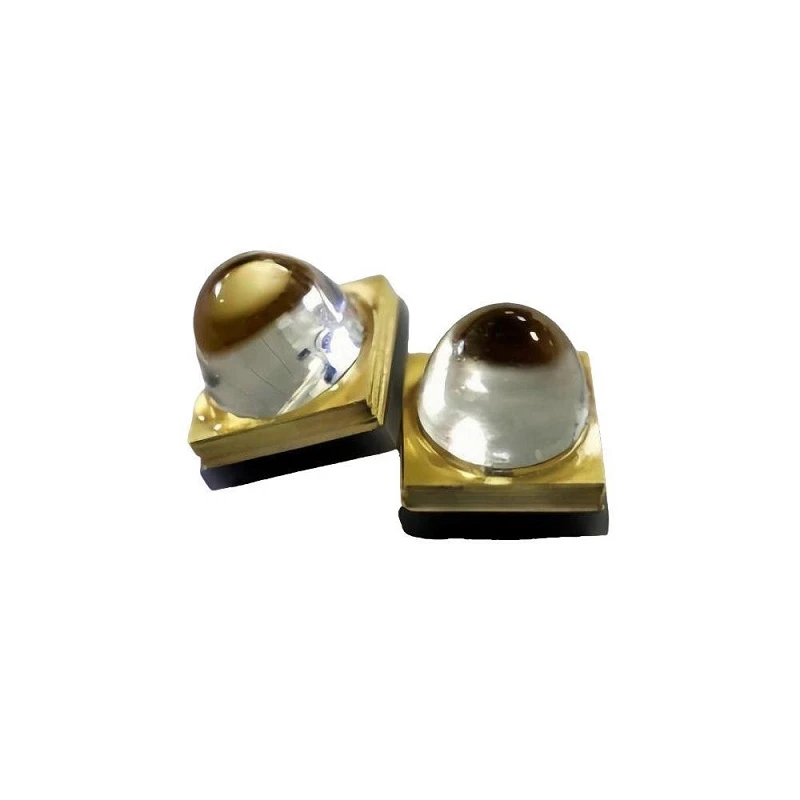
In conclusion, the detection principle of a detector module is based on a variety of physical and chemical phenomena, including optical, electrochemical, thermal, and magnetic interactions. Each detection principle has its own advantages and disadvantages, and the choice of detection method depends on the specific application and target substance. As a supplier of detector modules, we are committed to providing high – quality products that offer excellent sensitivity, selectivity, response time, and stability.
Module If you are interested in learning more about our detector modules or have specific requirements for your application, we welcome you to contact us for a detailed discussion. Our team of experts is ready to assist you in finding the most suitable detector solution for your needs.
References
- Bard, A. J., & Faulkner, L. R. (2001). Electrochemical Methods: Fundamentals and Applications. Wiley.
- Demtröder, W. (2010). Laser Spectroscopy: Basic Concepts and Instrumentation. Springer.
- Nikolic, R., & Nikolic, M. (2012). Thermal Sensors: Fundamentals, Materials, and Applications. CRC Press.
- O’Handley, R. C. (2000). Modern Magnetic Materials: Principles and Applications. Wiley.
UVLEDTEK Group
As one of the most professional detector module manufacturers and suppliers in China, our products have good reputation in the market. Please rest assured to buy high quality detector module at competitive price from our factory. For more information, contact us now.
Address: Huangshi Industrial Zone, Putian City, Fujian Province, China
E-mail: info@uvledtek.com
WebSite: https://www.uvledtek.com/
