What’s up, everyone – if you’ve ever messed around with pneumatic systems (you know, the ones that power everything from factory assembly lines to those little air tools you use in the garage), you’ve definitely used a check valve without even realizing it. As a check valve supplier, I can’t tell you how many times I get asked “wait, what actually does that thing do, and why is it so damn important?” So let’s cut the jargon, skip the textbook diagrams, and break this down like we’re geeking out over a new air tool instead of reading a white paper. Check Valve
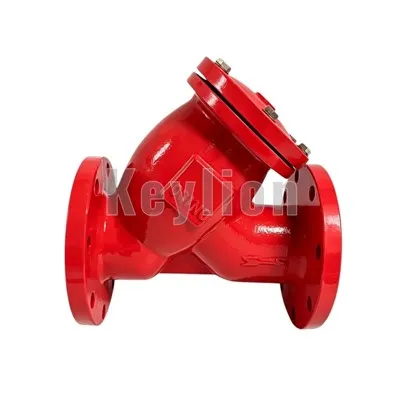
First off, let’s ground this in what pneumatic systems actually are for anyone who’s a little hazy. They run on compressed air, right? Instead of electricity, they cram air molecules into a tight space and release that pressure to move stuff, power tools, actuate valves – all that good, loud, reliable work. But compressed air is picky. It only works when it flows one way most of the time. That’s where the check valve comes in, and here’s the simplest way to put it: a check valve is the bouncer at the door of your pneumatic line. It lets air march in the direction you want (like, say, from your air compressor to your air tank) and boots it right back out if it tries to sneak the wrong way (like back from the tank to the compressor once it’s shut off). No ID, no entry. Simple, but make no mistake – this little device keeps entire systems from blowing up or breaking.
Wait, let’s get into how that bouncer actually does its job, because check valves aren’t just one type. Most of the ones we supply are the basic swing check – think of a little metal flap hinged on one side inside a plastic or metal pipe. When air comes from the compressor side, it hits that flap, pushes it open, and lets it flow through. But if the pressure on the other side is higher (like when the compressor turns off), that flap slams right back against its seat so air can’t flow backward. No trickery, no moving parts that wear out fast – just a simple hinge and a flap.
There’s also the ball check valve, which is super common for smaller, tighter lines – like the ones that run to your pneumatic air drill. Instead of a flap, there’s a little steel or plastic ball that sits over a tiny opening. Flow comes from one side, pushes the ball off the seat, and air slips through. Flip the flow, and the ball gets pressed hard against that opening by the pressure difference, sealing it tight. These are smaller, faster to react, and way less likely to get gunked up with the tiny bits of moisture or dust that sometimes get in compressed air lines. I’ll be real with you though – swing checks are more durable for heavy industrial use, so we keep a whole stock of both because different jobs need different tools.
Let’s talk about why this isn’t just a “nice to have” part. I’ve seen way too many companies skip or skimp on a check valve, and it’s always a disaster. Here’s a real example from last year: a local factory had a pneumatic conveyor system for moving plastic pellets. They ran their compressor 24/7, no check valve between the compressor and the conveyor tank. One night, the compressor’s internal pressure dropped for some reason – so the compressed air that was already in the tank started flowing back into the compressor. That reversed flow caused the compressor’s intake valve to slam shut hard, bent a piston rod, and cost them $12k in downtime and parts. All because they skipped a $15 check valve. That’s the thing about pneumatic systems – they run on pressure, and reversed flow messes with every single component.
Another scenario: if you’re running a pneumatic tool, like a nail gun or impact wrench, and the air line leaks. Without a check valve, all the pressure in your tool’s hose and air tank will drain right out. With a check valve? That pressure stays trapped, so you can keep using the tool for a couple more blows before you have to refill. It’s a tiny feature that makes a huge difference in uptime.
Now, let’s clear up a common myth I hear all the time: check valves are only for big industrial systems. No way. We sell tiny inline check valves for portable air compressors, for DIYers building their own pneumatic-powered go-karts, even for medical pneumatic devices that move oxygen. The science is the same regardless of size – pressure differential opens the valve in the right direction, closes it in the wrong. The only thing that changes is the material: small ones might be made of plastic for lightweight jobs, big industrial ones are stainless steel to handle 200+ PSI and corrosive compressed air.
Wait, what about that thing people call a “no return valve” – that’s just another name for check valve, right? Yeah, manufacturers use different terms, but same device. I’ve had customers come in asking for “one-way air valve” or “non-return check valve” and it’s all the same product. Just goes to show how confusing part names can be when you’re not deep in pneumatic parts.
Let’s get into the actual mechanics a little deeper, since I know some of you are more curious than just “what does it do?” When pressure on the inlet side (the side air should come from) is higher than the outlet side, that pressure creates a force on the closure element (flap, ball, whatever) that pushes it away from the seat. The seat is that smooth, ring-shaped part the element seals against – it’s super important because if the seat is scratched or has gunk on it, the seal breaks. That’s why we always tell customers to use inline filters in their pneumatic lines before a check valve – keeps moisture and debris off the seat, makes the valve last way longer.
If outlet pressure is higher, that force pushes the closure element hard against the seat, creating a zero-leak seal (well, zero for most applications – some low-pressure ones have a tiny bit of seep, but we spec those clearly). The reaction time here matters too. A swing check has a tiny delay because the flap has to swing open, which is fine for most systems, but if you’ve got high-speed pneumatic cycles (like a robot arm moving 10 times a second), a ball check is way faster – no swing delay, so it seals instantly and prevents pressure spikes. That’s the difference between a $10 valve and a $50 valve, and it’s why matching the check valve type to your system’s cycle speed is non-negotiable.
Now, as a supplier, I’ve learned a ton about what customers actually need when it comes to check valves, not just what the spec sheet says. For example, a lot of small business owners will buy the cheapest check valve on Amazon, but then they end up replacing it every 3 months because it’s made of cheap plastic that cracks from pressure spikes. We supply valves with Buna-N seats, which handle most standard pneumatic fluids and temperatures (-40°F to 250°F, for those who care) so they don’t crack or seal poorly. We also do custom sizing – if someone needs a 1/8 inch valve for a portable compressor or a 4 inch valve for a heavy-duty industrial main line, we can get it, no runaround.
Another thing that trips people up: installing it backwards. That’s the #1 mistake I see. A check valve only works if you mount it so the arrow on the body points in the direction air should flow. I can’t tell you how many calls I get from people saying “your valve is broken, it won’t let air through” – and half the time, they just flipped it around. It seems obvious, but when you’re in a hurry to fix a line after a breakdown, that little arrow is easy to miss. We always include a printed cheat sheet with every valve that shows how to install it, and our team is on call 24/7 for anyone who’s stuck mid-job.
Let’s talk about real-world applications to make this feel less abstract. Take a automotive paint booth – pneumatic systems run the ventilation fans, the paint atomizer, and the conveyor that moves cars through the booth. A check valve here prevents paint fumes from flowing back into the compressor room, which would be a huge safety hazard. Or a food and beverage packaging line – they use pneumatic actuators to pick up and seal boxes, and a check valve ensures that compressed air only flows to the actuators, not back into the main air supply, which could contaminate the food-grade air system. Even construction: pneumatic jackhammers use check valves to keep air flowing forward, so they don’t lose pressure when you’re working on a job site.
Here’s a fun fact I learned from an engineer client a while back: check valves were first used in the early 1800s for steam engines, right? Wait, no, actually, pneumatic check valves as we know them today came from the late 19th century when factories started using compressed air for power. Before that, steam engines used similar valves, but they were way clunkier. The basic concept hasn’t changed in over 100 years – that’s how solid the design is. The technology has just gotten better materials, better seals, faster reaction times, but at its core, it’s still that flap or ball that opens one way and closes the other.
Now, let’s address a question I bet some of you are thinking: is there ever a time you don’t want a check valve in your pneumatic system? Yeah, like if you need bidirectional flow – some pneumatic systems swap air direction to reverse a cylinder, so you can’t use a one-way valve there. But for 90% of pneumatic applications, the flow is unidirectional, so a check valve is non-negotiable. I always tell customers to ask two questions when they’re looking for a check valve: what’s the maximum pressure in my line, and what’s the flow rate I need? If you can answer those, we can get you the exact valve you need, no guesswork.

As a check valve supplier, I know that these parts are easy to overlook until they fail. I’ve had customers come to us after a breakdown, and when we replace their old, worn-out check valve with a good quality one, their system runs like new within minutes. That’s the value of a well-made check valve – it’s not the flashiest part, but it’s the one that keeps everything else working.
Butterfly Valve If you’re dealing with a pneumatic system, whether you’re a small business owner fixing a tool, an industrial engineer designing a new line, or a DIYer building something cool in your garage, and you need check valves that actually work (not the cheap junk that breaks in a month), hit us up. We’ve got standard sizes in stock, custom options for weird or specific jobs, and our team knows the ins and outs of pneumatic flow better than anyone. Don’t wait for a breakdown to replace your check valve – a few minutes of planning now will save you hours of downtime later.
References
- Pneumatic Systems: Design and Application, Society of Manufacturing Engineers
- Check Valve Fundamentals, Fluid Power Technology Association
- Industrial Pneumatic Components: Selection and Installation Guidelines, National Fluid Power Association
Quanzhou Keylion Valve Co., Ltd.
We’re known as one of the most professional check valve manufacturers and suppliers in China, also support customized service. We warmly welcome you to buy high quality check valve made in China here from our factory. If you have any enquiry about cooperation, please feel free to email us.
Address: NO.17, JINYUAN, ZHENSHAN VILLAGE, NANAN CITY, FUJIAN PROVINCE
E-mail: sales@keylionvalve.com
WebSite: https://www.keylion-valves.com/
