If you’re thinking about hopping on the container home bandwagon, chances are you’ve already daydreamed about sipping coffee on your tiny roof deck, skipping the exorbitant rent, and building something both sustainable and totally you. As a modular container homes supplier, I talk to people every single week who are so stoked about the idea that they almost forget the most crucial part: legal stuff. And let’s be real, no one wants to drop $20k on a container and a fancy floor plan only to get a cease-and-desist letter before you even hang a picture. Modular Container Homes
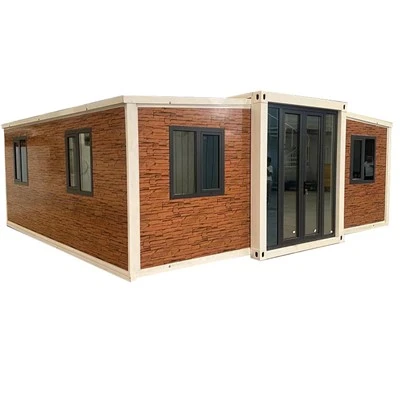
I’ve seen it happen too many times—someone buys a used shipping container, stacks it in their backyard, and thinks that’s all they need. Spoiler: it’s not. Local governments have so many hoops to jump through, and if you skip even one, you’re looking at fines, having to tear it down, or dealing with a weird inspection that adds thousands to your budget. So let’s break this down like we’re chatting over a beer (I’ve got a cold one right now, fyi) and cut through the jargon.
First up: zoning laws. This is the big one, the make-or-break factor that most people don’t even research before buying a container. Zoning is what decides what you can build on your land, whether you live in a small suburban lot, a rural farm, or a city apartment building. A lot of suburban areas zone for single-family homes only—meaning no “accessory dwelling units” (ADUs) that are too small, or any structure that’s not a traditional stick-built home. I had a client last year who found the perfect $15k container, only to find out his neighborhood’s zoning code had a minimum square footage of 1,200 sq ft. A standard 20ft container is only 160 sq ft, even a 40ft is 320—so he had to stack three to hit the minimum, which totally changed his budget.
Rural areas are a bit more forgiving, but still not a free-for-all. Some rural zones let you build “recreational structures” for temporary use, but not permanent homes. If you want to live in it full-time, you’ll need to check if the land is zoned for residential use, and if container homes are even allowed. A lot of places lump container homes in with “manufactured homes” or “modular homes,” so the rules for those apply to you. I always tell my customers: call your local zoning office before you do anything else. Ask for the zoning department, say “I’m looking to build a modular container home on my lot—can you tell me if that’s allowed here?” Most offices are super helpful, but some will try to send you in circles, so make sure you get it in writing if you can. That way, if you get pushback later, you have proof.
Next up: building codes. This is the stuff that keeps you safe—no one wants a container that leaks, falls over in a storm, or has electrical issues. Modular container homes have to meet the same building codes as any other residential structure in your area, and that varies a lot by state, county, and even city. For example, in Texas, the state has adopted the International Residential Code (IRC) for modular homes, so container homes have to follow those rules for things like foundation requirements, fire resistance, and structural integrity. But in California, there are extra strict energy codes because of wildfire risk, so your container will need special fire-resistant siding and proper ventilation to prevent heat buildup.
Wait, and don’t forget about foundations. A lot of people think you can just plop a container on the ground and call it good—nope. Shipping containers are heavy, but they’re not designed to sit directly on soil, especially over time. Most building codes require a permanent foundation, whether that’s a concrete slab, pier and beam, or even a raised foundation with steel pilings. The foundation has to be level, too—containers will warp if they’re sitting on uneven ground, which leads to leaks and structural issues. I had another client who tried to save money by putting his container on cinder blocks. Within six months, one block sunk into the soft soil, the container tilted, and the front door wouldn’t open. He had to pay $3k to fix the foundation just to get it up to code. Lesson learned: foundations are non-negotiable, even if it’s a modular build.
Then there’s permits and inspections. If you skip this step, you’re basically rolling the dice. Most places require a building permit for any residential structure, and some even require a separate permit for the container itself, like a “transportable structure” permit. The permit process usually involves submitting plans for your container home—floor plans, structural details, electrical and plumbing layouts—and paying a fee (which is usually based on the square footage, so it’s not crazy expensive, like a few hundred bucks). Once you submit, there will be inspections: first, when you lay the foundation, then when you set the container, then when you finish electrical, plumbing, and insulation, and a final inspection before you can move in.
Here’s a pro tip: don’t buy the container before you get your permit approved. A lot of people see a good deal on a used container and jump on it, only to find out their local office won’t approve the plans because they don’t like the design or the location of the home. You’ll be stuck with a container you can’t use, and shipping it back is a nightmare. Wait for the green light from the building department before you order anything.
What about utility connections? That’s another thing people overlook. Can your container home hook up to city water, sewer, or septic? If you’re in a city, that’s usually straightforward, but you’ll need to coordinate with the utility company to run lines to your lot. If you’re rural, you might need to install a private well and septic system, which has its own set of rules. Some areas require a percolation test for septic systems, and you’ll need a permit for that too. Also, electrical is a big one—container homes have to have proper electrical paneling, grounded wiring, and maybe even a backup generator if you’re in an area with frequent power outages (which some building codes require). I always tell my customers to check with the utility company early, because running lines to a remote lot can cost more than the container itself.
And wait—what about resale? A lot of people don’t think about this, but legal stuff affects what you can do later. If your container home isn’t up to code when you built it, you might not be able to sell it easily. Buyers will run a title search and find out there are unpermitted structures, and they might back out. Even if you do get it permitted, some areas still have a stigma against container homes, so you’ll want to check if there are any restrictions on resale before you build. I have a customer in Oregon who built a container home that was fully permitted, but when he tried to sell it, the county wouldn’t let him put it on the market as a residential property because it was a modular build. He had to jump through extra hoops to get it reclassified, which took months. So that’s something to keep in mind if you might move in the future.
What about different types of container homes? Like, are there different rules for used vs new containers? Yeah, a little bit. New shipping containers are usually in better condition, and they’re more likely to meet structural codes because they’re manufactured to strict industrial standards. Used containers might have rust, dents, or damage from being transported, so you’ll need to have them inspected by a structural engineer before you can use them as a home. Some codes require that used containers are free of any damage that could compromise their integrity, so a dented corner that affects the frame might be a no-go. Also, some areas require that you remove the “cargo” markings from the container and paint it to look like a residential structure, not a shipping crate. I always recommend sandblasting and painting your new container before you set it, because it makes the whole thing look less like a warehouse and more like a home, and it avoids any questions from the code inspector.
Wait, and what about short-term rentals? If you’re planning to use your container home as an Airbnb or vacation rental, there are even more rules. A lot of cities have short-term rental ordinances that limit how many days a year you can rent out a property, require a special license, or restrict where you can put the rental. I had a client in Florida who built a container home specifically for Airbnb, and he didn’t get the short-term rental license. He started getting bookings, only to get a $10,000 fine from the city. Now he’s stuck paying that fine and trying to get the license, which has a waiting period of six months. So if you’re planning to rent it out, do your research on short-term rental laws first.
I know this sounds like a lot, but it’s actually not that bad if you take it step by step. The key is to do your homework before you buy any containers or draw up plans. Don’t be afraid to ask the experts—your local zoning department, building inspector, and even a contractor who’s worked with modular builds in your area can save you so much time and money. As a modular container homes supplier, I always make sure my customers have a checklist of legal requirements specific to their area, because what works in Texas might not work in New York, or what works in a rural area might not work in the suburbs.
Let me recap the most important stuff so you don’t have to scroll back: 1. Check zoning laws first to make sure container homes are allowed on your lot. 2. Follow building codes for foundations, structural integrity, and safety. 3. Get all necessary permits before you start building, and don’t skip inspections. 4. Sort out utility connections and any local rules for short-term rentals if that’s your plan. 5. Think about resale down the line to avoid headaches later.
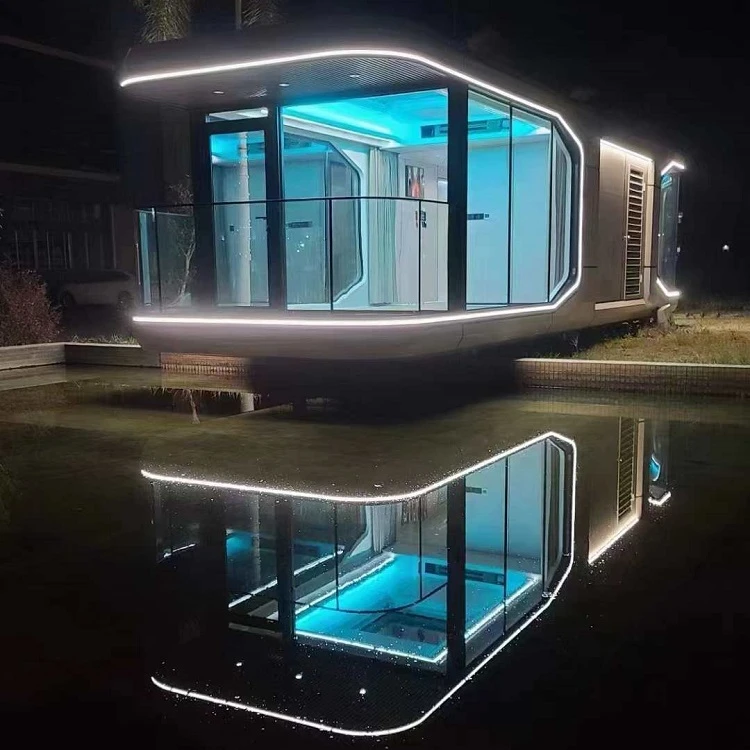
If you’re still on the fence about whether a container home is right for you, or you want help navigating the legal stuff (because let’s be real, it’s overwhelming), hit me up. I’ve been in this game for years, and I’ve helped hundreds of people go from daydreaming to moving into their own container homes without the legal mess. We can talk through your lot, your plans, and all the hoops you need to jump through to make your dream a reality. Just reach out when you’re ready.
Prefab Container House References
International Residential Code (IRC), 2021 Edition
National Association of Home Builders: Modular Home Zoning and Regulation Guide
US Department of Housing and Urban Development (HUD): Manufactured Home Construction and Safety Standards
State of California, Department of Housing and Community Development: Modular Building Requirements for Residential Structures
Texas Department of Licensing and Regulation: Modular and Manufactured Home Permit Guidelines
Jiangsu Suqian Longze Modular Construction Co., Ltd.
As one of the most professional modular container homes manufacturers and suppliers in China, our products have good reputation in the market. Please feel free to buy high quality modular container homes at competitive price from our factory. We also accept customized orders.
Address: No. 8, Weisan Road, Shuanggou Town, Sihong County, Suqian City, Jiangsu Province, China
E-mail: Lzmk88888888@163.com
WebSite: https://www.expandablehousefactory.com/
